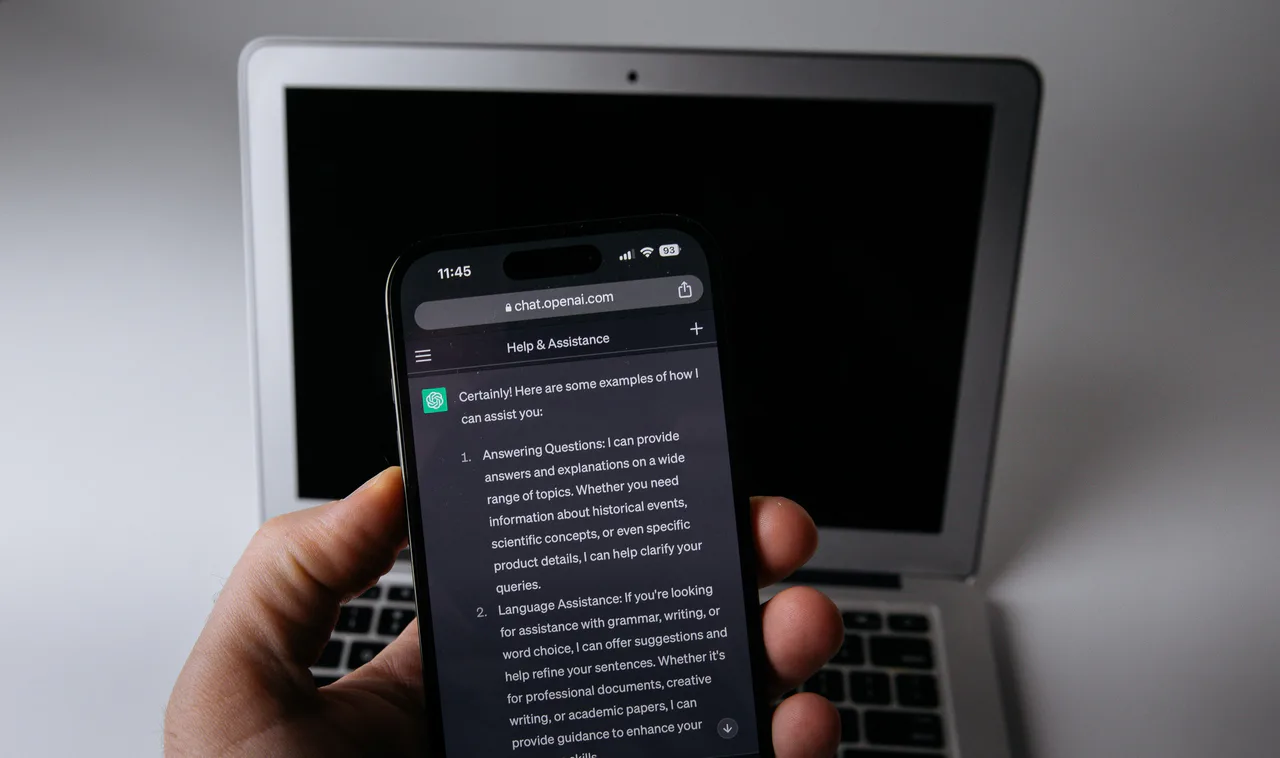
Only 12% of professionals surveyed by Metricool have a clear policy or specific rules on artificial intelligence at work, according to its report published on Aug. 19, 2026 . The study draws on more than 700 social-media professionals and says three in four use it in their everyday work. The budget consequence arrives after the first draft: who checks and accepts the work the team will actually use.
The public page does not specify exact fieldwork dates, participation frame or geographic distribution. The percentages describe respondents rather than every Spanish department. Subtracting 12% from usage cannot establish users without rules either: that relationship requires joint responses the summary does not publish.
The tool incorporates work in different places
The Deloitte series published through Statista for Spain provides earlier context about where generative AI is used. Among 100 technology and business leaders surveyed online from July to September 2024, 62% indicated public language models and 49% corporate platforms. This is an application-environment question rather than measured savings or adoption across all businesses.
Deloitte Spain 2024: five generative AI use environments
100 technology and business leaders in Spain, July–September 2024. Organizations using AI daily and running generative-AI projects.
Tap or hover for details. All values are also available in the data table.
Collapse notes
Deloitte / Statista. Selected leaders at organizations using AI daily and running generative-AI pilots or daily implementations, rather than all Spanish businesses. Uses overlap and must not be added. Original methodology, p. 29, confirms eligibility. This does not measure savings, output quality or the analyzed provider’s customers.
Explore the data table
| Category | Reports the use |
|---|---|
| Public language models | 62.0% |
| Productivity tools | 60.0% |
| Generative AI applications | 56.0% |
| Corporate platforms | 49.0% |
| Code generation | 31.0% |
Location changes the required review. Reformatting an approved explanation has a different boundary from extracting account metrics and preparing a post. The operating agreement needs to name authorised information, permitted action and the result the owner accepts. Buying another subscription does not supply those criteria on its own.
Persuasive output still needs a source and authority
A price condition, denominator or outdated feature can make well-written communication inaccurate. Review requires the approved factual source as well as judgement about tone. A proposed customer reply can also quietly add a commitment. Commercial acceptance needs to distinguish suggesting an explanation from authorising a promise in the brand’s name.
AIMC’s Navegantes en la Red survey, published through Statista for October to December 2024, places two different expectations alongside one another. Among participants who had heard of AI, 77.1% strongly or fairly agreed that work done with it should be identifiable. A 32.6% share expressed that level of trust in companies using it ethically.
AIMC 2024: AI identification and trust in companies
Participants who had heard of AI. Spain, Oct. 15 to Dec. 9, 2024.
Tap or hover for details. All values are also available in the data table.
Collapse notes
AIMC / Statista, original p. 6. The question concerns the subgroup who had heard of AI; its exact size is not published. The complete study has 14,735 useful responses from internet users aged 14 or over. EGM weighting and respondents more active online than the general internet population, according to p. 1. This does not measure Metricool users or establish a policy’s commercial effect.
Explore the data table
| Category | Strongly or fairly agree |
|---|---|
| Work done with AI should be identifiable | 77.1% |
| I trust companies to use AI ethically | 32.6% |
The responses do not prove that a particular policy increases trust or sales. They situate a narrower management task: the business needs to explain authorised use while retaining responsibility for the result. Review becomes a recognisable task when it follows a claim to its source and an action to the person able to approve it.
A connector brings analysis and publication closer
Metricool’s MCP guide describes assistant-based access to analysis, content preparation and scheduling, along with campaign monitoring. These are product capabilities rather than outcomes established by the survey. The proximity of proposal and execution makes the boundary where output is approved for use consequential.
Exploring data has different consequences from publishing for a client. The boundary should follow the action, with current product facts and a reference to the accepted version. If a number changes, correcting an internal conversation is insufficient: the team needs to locate material and channels repeating the claim. That continuity turns responsibility into operating work rather than a general intention.
The full cost ends with the accepted delivery
Economic comparison uses the same task and standard. It includes preparing sources, producing, reviewing, correcting and explaining the result until it is used. It does not extract a productivity percentage from declared adoption. A faster first version can be valuable or can move effort to the reviewer; the full-work record distinguishes those situations.
When increased generation accumulates pending proposals, the limit can lie in information or review. Funding volume without that capacity expands the queue. Training, access configuration and approved-fact maintenance also belong in cost alongside the monthly price. Spending should support a recurring task whose outcome the business can recognise.
A policy deserving commercial attention explains what the team can approve, who resolves a doubt and when to stop a use requiring excessive corrections. Metricool’s finding justifies examining usage and rules separately. Useful savings start when delivery meets the agreed standard; a larger quantity of drafts remains pending work until that boundary is crossed.
Correction, Oct. 13, 2026: an earlier version interpreted “in their day-to-day work” as daily AI use. Metricool’s summary describes everyday use but does not establish that frequency.
In this article

Marian Vasile
Marian Vasile is a MarTech and growth professional. His work spans product marketing, SEO, paid advertising and deep online tracking, including behavioral analytics and attribution.