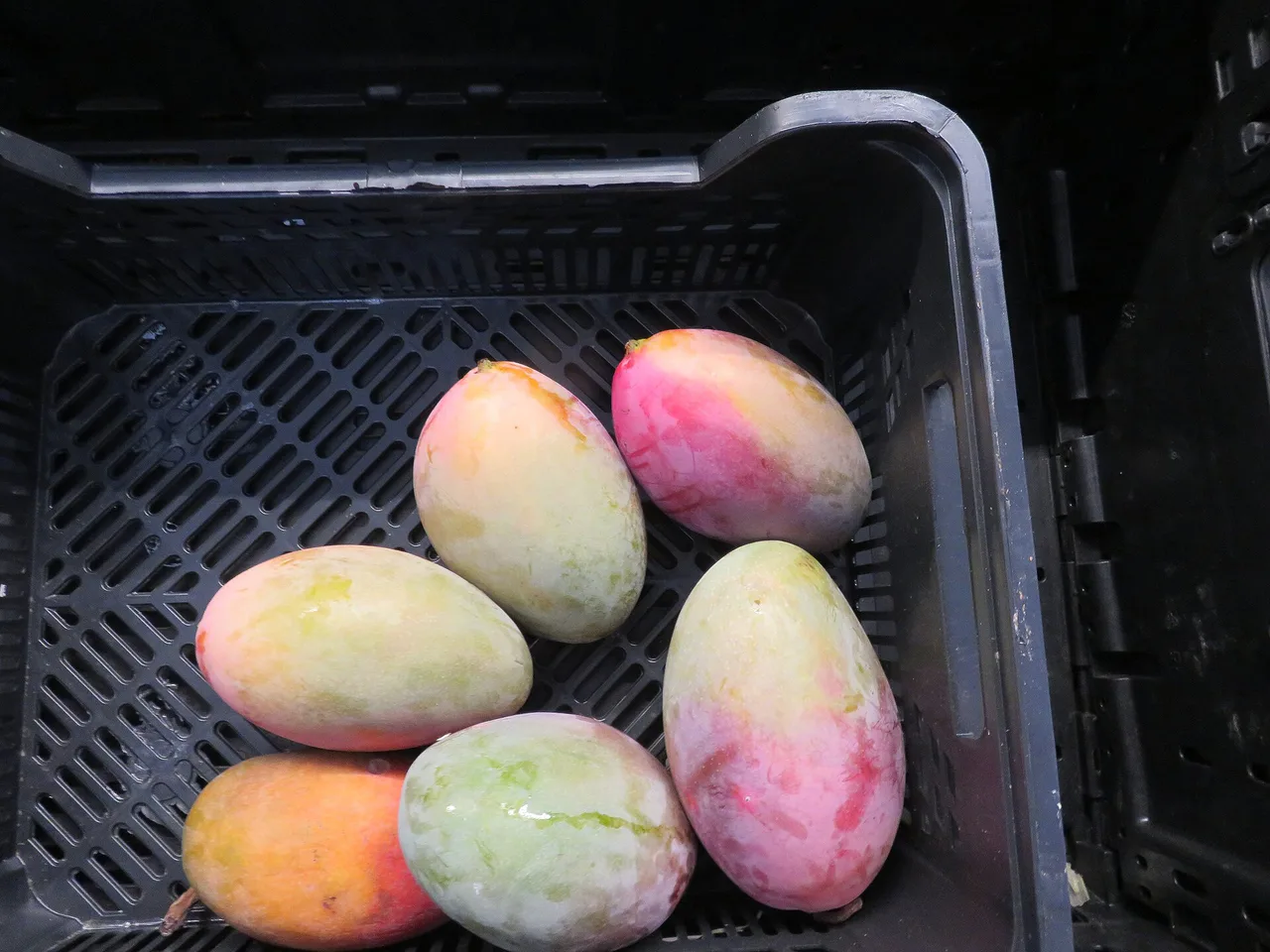
TROPS ’s problem does not end when somebody remembers a mango on a screen. Consumers need to recognise the brand and find the fruit while it is available. Its “El Mango Más Mango” campaign takes a seasonal promise into video platforms and connected television, but the purchase may happen afterward in a fruit shop. The commercial tension joins those moments: digital exposure that can be counted and a physical choice that does not necessarily produce a click or a transaction inside the advertiser’s own system.
The cooperative announced the action on August 27, 2026 for an August 30 start. Its digital plan names Netflix, Prime Video, Disney+ and YouTube on connected television, forecasting more than 6.7 million impressions. This describes planned delivery, not unique viewers, purchases or a subsequently verified campaign outcome. Traditional media and wholesale-market activity during September and October also form part of the plan. Additional channels support a product-availability window rather than turning the promotion into an exclusively ecommerce campaign.
The advertiser is TROPS, S.A.T.2803, an agricultural transformation society registered and based in Vélez-Málaga. The mango in this campaign is the fruit of that Spanish organisation, not the fashion retailer Mango. Identification matters to measurement too: searches and conversations involving a shared word cannot automatically be assigned to the cooperative. The brand name and food context need to remain recognisable both in the commercial and in information found by somebody searching afterward. Legal identity
Seasonality is part of the marketing mechanism
The announcement presents Spanish-grown mangoes arriving in fruit shops and markets as the reason to communicate now. It offers more than an abstract preference for the brand: it communicates a purchasing moment. Advertising timing therefore depends on harvest and distribution. An effective commercial outside the useful window might create recall without facilitating an immediate choice. For TROPS, the commercial outcome needs to be located in territories and weeks when consumers could actually find the mango they recognise. A seasonal message is tested against real availability rather than brand memory alone.
The arrival message also reduces a different uncertainty from the one addressed by a discount. Somebody may know the fruit but not know when to look for Spanish production or how to identify it. The creative seeks to turn that information into a simple availability signal. This interprets the design rather than measuring behavioural change. Verification would ask whether people retain the brand and buying moment as well as recognising that the advertisement concerned mangoes. General fruit recall would not answer that question or establish that the cooperative gained a particular preference.
TROPS attributes its product to cultivation in southern Spain, principally Málaga, and highlights harvesting and maturation. These are the advertiser’s proposition claims, not conclusions from an independent quality comparison. Their campaign function is giving a reason to distinguish TROPS mangoes within the category. That distinction must survive the screen at the point of sale. Someone remembering the origin without identifying the branded product may allow advertising to benefit the category without capturing all the preference the cooperative intended to create. Product recognition is therefore separate from comprehension of the origin story.
This possibility is not an objection to advertising fruit. It defines what observation would establish who benefits. Greater mango purchasing in an area can help the sector without demonstrating how much belongs to TROPS. The cooperative’s evaluation needs to distinguish category volume, its own available product and brand choice. Combining those levels would make the commercial account appear more complete than advertiser and distributor records support. Seasonal category demand can provide context, but does not automatically become evidence that this particular creative or its connected-TV distribution caused additional sales.
Online video retains a television function
Connected television delivers video through digital environments, but a commercial may appear on a shared screen without a direct purchasing action. TROPS’s plan uses familiar audiovisual storytelling while expanding the surfaces carrying it. The online mechanism concerns distribution and its records, not an assumption that every transmission ends in a click. Fresh produce communication can seek consideration and recognition at a subsequent physical purchase even when the platform provides detailed delivery metrics. Those metrics describe how the advertisement arrived, not every action the viewer subsequently took at a shop.
Consumption context supports the screen’s relevance without proving TROPS performance. In its 2026 study presented on May 6, IAB Spain and Elogia place connected-TV consumption at 95% of internet users aged 16–75 in Spain. They also report 75% of users watching with others and 47% using a second screen. The consulted public summary does not provide sample size or exact fieldwork dates. We therefore use the numbers as attributed 2026-edition context, not a census or campaign audience.
Shared viewing changes the unit that can be interpreted. An impression delivered to a television does not by itself establish how many people were watching or which one will buy fruit. Nor does it prove everybody paid attention. Shared presence can be relevant to this campaign because food choices take place within households. However, assigning the advertisement to each member as an individually confirmed exposure would exceed the delivery record. The accompanied-viewing figure explains that limit rather than providing a multiplier that can turn device impressions into a precise person count.
The surfaces chosen by TROPS already coexisted in connected-TV usage. IAB Spain’s March 2024 study, reported by Statista, recorded Netflix at 57%, Prime Video at 55%, YouTube at 53% and Disney+ at 32%. This is usage context predating the campaign: it does not identify ad-supported plans or people reachable through each media purchase. Because usage overlaps, adding these percentages would not produce combined coverage. Planning needs to establish which additional audience each platform contributes and where repeated exposure concentrates.
The plan’s four platforms do not form separate audiences
Reported platform use among connected-TV viewers in Spain, March 2024.
Tap or hover for details. All values are also available in the data table.
Collapse notes
IAB Spain, CAWI, study of 1,500 internet users aged 16–75; specific CTV-user base not separated in the accessible entry. Platform use can overlap. Not the audience of ad-supported tiers, unique coverage, spending shares or TROPS’s 2026 results.
Explore the data table
| Category | Respondents |
|---|---|
| Netflix | 57% |
| Amazon Prime Video | 55% |
| YouTube | 53% |
| Disney+ | 32% |
The second screen offers another conditional possibility. Somebody might seek information while watching, but the general 47% figure does not mean that proportion searched for mangoes or that a query originated from the advertisement. A useful connection would ensure those choosing to search find clear brand, season and availability information. The campaign need not turn every viewer into a digital visitor. It needs the transition to exist for people using it, with information consistent with the main-screen promise. General media behaviour contextualises a possible journey rather than measuring its occurrence here.
6.7 million impressions is not 6.7 million buyers
The digital forecast adds exposure opportunities. One person or household may appear across several platforms and receive the commercial repeatedly. Without deduplicated reach, the forecast cannot become a unique population. Delivered frequency, geographical allocation and impact cost are also undisclosed. This revision keeps those variables unknown. The number establishes planning scale and permits questions about allocation, but does not establish actual audience or profitability relative to other media. A delivery forecast remains useful without being expanded into an outcome it was never designed to describe.
Repetition can serve different functions depending on timing. Before a weekly shop, several exposures might sustain a seasonal signal; after finding and buying the fruit, another impact may have different usefulness. The plan does not disclose household sequences, so we assign no results to a particular frequency. The important distinction is that an aggregate average can conceal concentration: a few households repeatedly reached while others remain untouched. For an availability campaign, useful coverage and accumulating impressions are separate decisions. Buying more delivery does not necessarily broaden the set of people able to act on the message.
Interpretation also differs between platforms. Gathering impressions in one report requires retaining the event definition and delivery period. A started piece, completed piece and advertising opportunity are not interchangeable measures. TROPS supplies no such breakdown. Our analytical proposal would preserve it because the selected format can affect what each surface records. A difference in the counter should not automatically become a difference in consumer commercial response. Consistent units are necessary before a media team can infer that one environment supports the mango proposition better than another.
Last-digital-access attribution would be particularly incomplete here. Someone may see the mango on connected television, remember the brand beside a display and purchase without visiting the website. Absence of a click does not negate that journey. Conversely, a website visit does not establish that a subsequent purchase resulted from the commercial. The combination needs evidence appropriate to each stage: audiovisual delivery, proposition comprehension, commercial availability and sales. None can automatically stand in for the following stages. A digital distribution mechanism can contribute to a physical decision without leaving the entire decision inside digital analytics.
Four durations for one seasonal signal
TROPS announces television-commercial versions lasting 25, 20, 10 and 5 seconds. The longest-to-shortest duration ratio is five to one, an editorial calculation that says nothing about effectiveness. A brief format has less time to associate fruit, brand and availability; a longer one can develop context but needs more attention. Their coexistence creates a particular creative question: which essential information survives shortening without changing the promise a household encounters when shopping? Duration provides a documented production choice, while the outcome depends on what the audience actually recognises in each piece.
There is no published recall balance by version, and we do not assume identical durations were used identically on every digital platform. The announcement identifies pieces and planned surfaces rather than detailed insertion records. Useful comparison would preserve duration, environment and frequency alongside the observed result. Otherwise a short piece served more often might appear better through accumulation, or a longer one might appear worse because it reached a different audience. Creative assessment cannot be detached from how the material was distributed and which opportunity each viewer had to understand it.
Advertising pressure and duration also face a limit in the viewer’s experience. In IAB Spain and Elogia’s April–May 2023 survey, 79% of CTV users valued being able to skip some ads, 53% less repetitive advertising and 50% knowing the ad break’s length. These are historical preferences, not proof that a five-second mango version works better. For TROPS, the figures support retaining brand and availability in each duration and examining frequency alongside comprehension, without confusing a completed ad with a fruit purchase.
Repetition and ad-break time shape the viewing experience
Valued connected-TV advertising features in Spain, April and May 2023.
Tap or hover for details. All values are also available in the data table.
Collapse notes
IAB Spain and Elogia, CAWI of 848 CTV users aged 16–75. Multiple answers. Stated 2023 preferences, not current acceptance on each platform, duration effectiveness, TROPS recall or a causal effect on purchasing.
Explore the data table
| Category | Respondents |
|---|---|
| Skip some ads | 79% |
| Less repetition | 53% |
| Know ad-break length | 50% |
| Relevance to the content | 30% |
Visual recognition also needs to connect with the physical product. TROPS is a more precise reference than the word mango alone. A shortened version retaining fruit but losing identification could remind people of the category. One retaining brand and arrival timing could help distinguish it in the shop. We do not assert which effect the campaign achieved. The distinction explains why assessing video completions alone would omit the commercial’s underlying task: useful recognition beside a particular purchase. Watching an entire piece is evidence of consumption, not by itself evidence that its intended brand association survived.
A locator can connect the screen and fruit shop
Club Trops’s public site offers a shop locator and describes benefits for fruit retailers, including promotional material and WhatsApp communication. It is an existing surface linked from the cooperative’s website, connecting digital information with physical businesses. It does not itself document campaign-originated use or individual shops’ mango stock. Its functional relevance is that somebody remembering the brand can seek a possible purchasing route while retailers have their own entrance into the commercial relationship. The observed surface supplies a bridge, rather than demonstrating how often that bridge was crossed. Club Trops
The map reduces a proximity question but does not automatically resolve current availability. A business associated with TROPS products can have changing assortment across weeks and seasons. To keep the arrival promise useful, accompanying information should distinguish a participating shop from the presence of the particular fruit. We do not assert an inventory integration unsupported by the source. The analytical requirement is simpler: a map point should not become a confirmed available purchase. A locator can narrow the search while still leaving stock confirmation to the relevant business and moment.
The club also reveals two audiences that must remain separate. Consumers seek fruit; retailers may seek material, information or contact with the brand. If both arrive at a website after advertising, a visit does not have the same commercial meaning. A professional enquiry may facilitate later distribution, while a store search moves closer to consumption. That distinction allows demand and channel activity to be assessed without counting every form or contact as a final buyer. The same campaign can support both sides, but their outcomes need different units and observation windows.
For professionals, campaign material can help retain the identification shown in the commercial. Advertising introduces a brand the shop needs to present recognisably. No elaborate attribution system is required to understand that coherence. It does require checking that shops can use the information during the relevant period. The digital bridge has value if it improves location or point-of-sale preparation, rather than merely existing as a web address near the advertisement. Material reaching a business after the seasonal opportunity would have different usefulness from support available while shoppers can find the advertised fruit.
Wholesale activity changes the sales comparison
Planned market presence during September and October incorporates the professionals bringing fruit to consumers. It affects distribution and professional recognition, separately from a commercial viewed at home. Their timing can reinforce the campaign but makes effects harder to separate. If an area sells more after receiving both more product and more advertising, the increase cannot be assigned entirely to digital video. Multichannel design requires preserving that commercial activity when interpreting outcomes. The campaign involves the route to market as well as the route to attention, and those routes can change together.
A territorial comparison should begin with product-available days, price and shop coverage. Wider distribution creates more purchasing opportunities even when response per opportunity remains unchanged. Maturation and stock turnover also make different weeks unequal for fresh produce. We propose comparing periods and areas with documented conditions rather than inventing a control territory. Analytical quality depends on recognising what changed alongside exposure and which part of the difference remains unexplained. More accurate delivery records improve the media account but cannot remove supply differences from a physical sales comparison.
The economic outcome needs to extend beyond kilograms sold. Higher volume can accompany different prices, additional distribution expenses or fewer losses from unsold fruit. Campaign sources provide none of those records, so we report no profitability. TROPS’s question is whether communication helps place product with contribution compensating for media and operation. A report celebrating only impressions could ignore that account; one celebrating volume alone could ignore how it was obtained. The seasonal product makes timing and stock particularly relevant to determining whether greater attention improved the economics of actual sales.
Increasing digital pressure should respond to that context. If the brand receives searches where availability is weak, more impressions do not resolve the purchase. If distribution is ready but identification remains weak, creativity or coverage may be the relevant problem. The campaign gives TROPS an opportunity to learn about both sides. Its most concrete commercial consequence is that attention can become a choice only when the advertised mango and the business in which people seek it coincide in time. The forecast measures a media ambition; that coincidence determines whether the ambition has somewhere useful to land.
In this article

Marian Vasile
Marian Vasile is a MarTech and growth professional. His work spans product marketing, SEO, paid advertising and deep online tracking, including behavioral analytics and attribution.