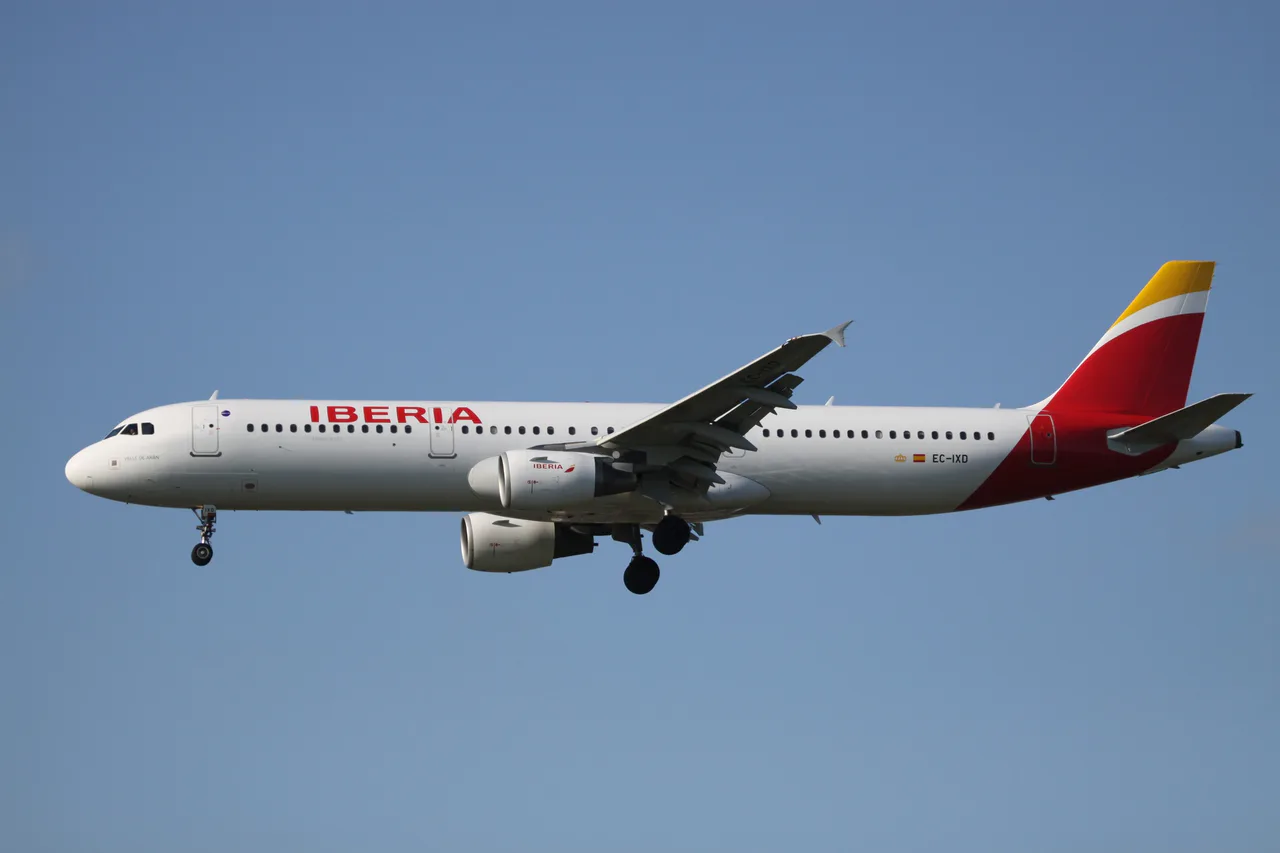
The most interesting decision in Iberia ’s campaign was not selling a ticket from €24. It was asking travellers to identify themselves before gaining access. For four days, the fare became an entrance to Iberia Club. The airline turned a usually anonymous price search into an opportunity to start a recognisable relationship with the visitor. That advantage also carried a commercial cost: bringing forward purchases that might have happened anyway, or discounting seats for customers who were already persuaded to travel with the airline.
The presale announced on August 27, 2026, admitted existing members and people joining by August 30. General availability followed from August 31 through September 23. The calendar matters because the privilege was temporary. Iberia was not promising an offer permanently unavailable to everybody else. The incentive was the ability to search and book earlier. At the time of this revision, the booking campaign has closed; this article examines its design rather than inviting readers to purchase a deal that remains available. Original announcement
Iberia is a business of Spanish origin whose history places its foundation in 1927, with the operating company documented in Madrid. The issue here is how an airline with an established loyalty relationship used a fare campaign to change the visitor’s status. It did not need to wait for a second flight to offer a reason to join. The benefit arrived before the first purchase in this particular campaign, at the moment somebody was already considering a journey. Iberia history
Four days that change the unit of acquisition
An open advertisement can capture a travel search without establishing whether the person already knows the brand. During the presale, membership identity added an important distinction. A reservation by a longstanding member and another by a newly enrolled visitor may have identical prices but address different commercial problems. The first monetises a relationship already available; the second begins to reveal a relationship previously unidentified within the club. Combining them would obscure what the access incentive actually purchased and whether the campaign acquired anybody new.
There is also a third group: visitors who enrol without making a reservation. Registration is an observable action, although it does not yet demonstrate acquisition of a passenger. The visitor may have discovered that the desired date lacked the advertised fare, preferred another airport or simply postponed the journey. Keeping this group visible prevents account creation from automatically becoming a successful sale. For Iberia, that identity becomes valuable if it subsequently helps address a travel need, rather than merely adding a record to a database.
Early access reduces a particular difficulty of loyalty marketing: asking someone to join today for a future reward that is hard to picture. Here the reward has an observable time and coincides with the intention to search. Nevertheless, registration introduces steps between the advertisement and the search result. If password recovery or account validation prevents someone reaching the inventory, the time advantage loses usefulness. Published sources provide no abandonment figures, but this is the operational point where the promise can be supported or undermined before any ticket is issued.
The price advantage coexists with the effort of completing a purchase. In Cetelem’s 2023 survey reported by Statista, price was a stated factor for 59% of the segment booking trips through online agencies, while purchase-process ease was cited by 46%. This is historical intermediary context, not an Iberia Club survey. It explains why privileged access needs to lead to a usable search: the incentive attracts, while registration and booking require traveller effort. It cannot estimate how much abandonment registration caused during this presale.
Price attracts, but purchase ease also matters
Stated factors for booking through online travel agencies in Spain, 2023.
Tap or hover for details. All values are also available in the data table.
Collapse notes
Cetelem, CAWI, 18 October–7 November 2023. Study of 2,200 online buyers aged 18–65; online-agency subgroup base not separately disclosed. Stated factors, not 2026 commercial results.
Explore the data table
| Category | Respondents |
|---|---|
| Price | 59% |
| Purchase ease | 46% |
| Good offer | 42% |
| Reliability and security | 30% |
The four-day window also creates a different kind of calendar pressure from a permanent discount. Visitors know when exclusive access ends, while the airline can distinguish behaviour before and after fares open to everybody. That separation offers an analytical opportunity, but is not a clean experiment by itself. The audiences differ: somebody agreeing to enrol during the presale may have stronger prior purchase intention than a later general-sale visitor. Comparing their conversion rates without recognising this selection would exaggerate the club’s influence on the decision.
A large membership base is not an active audience
The established relationship can be placed in context using a verifiable historical figure. In February 2025, when announcing changes to Iberia Plus, the company reported more than 6.5 million members. This was a corporate count at that announcement, not an updated measure of active members in August 2026. It also provides no proportion receiving, opening or using this presale. Its relevance is more specific: the action relied on an existing membership base rather than starting from nothing.
Interpreting that base requires separating membership from activity. A person may retain an account for years without searching for a flight in August. Another may travel frequently but reserve outside the promotional window. Dividing presale reservations by the historical 6.5 million count would therefore create a rate with an unsuitable denominator. The relevant population for campaign response would be members actually eligible and reached during the defined period, with the measurement date stated. The historical number establishes scale but cannot supply that missing audience denominator.
New enrolment also needs this context. A promotion serving a large membership base can generate substantial sales and relatively few additional relationships. That need not represent failure: accelerating decisions by existing customers may serve cash-flow or capacity-planning objectives. The question changes, however. Acquisition analysis asks how many new people began a useful relationship; activation analysis asks how many previous relationships returned to purchase. One headline revenue figure cannot answer both questions, even if every reservation can be linked to a club account.
The 2025 announcement also linked status progression to spending and described a network of associated brands. This background helps explain why an identified reservation can matter beyond the immediate ticket: it fits a relationship involving rewards and subsequent activity. It does not establish that the August recruits used other services. The presale created a possibility of continuity; actual use of that continuity would have to be observed in later transactions by the same cohort. A programme’s available benefits and its members’ demonstrated behaviour remain different forms of evidence.
The advertised minimum and the ticket actually purchased
The €24 figure was an advertised domestic one-way minimum. It was not the average price of tickets sold, a guaranteed fare for every date or the cost of acquiring a customer. That distinction affects the digital journey itself. Somebody attracted by the minimum needs an option matching departure point, destination and dates. The distance between the entry price and the available result can determine whether registration feels like useful access or a procedure that failed to resolve the search. The promise is tested against a particular journey, not an abstract fare.
The meaningful comparison does not end with an advertisement click. To assess consistency between promise and experience, an Iberia analysis would need to follow the query to availability: requested route, dates, fare displayed and the ability to complete booking. This does not imply that every unsuccessful search represents misleading marketing. Limited inventory forms part of an airline product. It does mean distinguishing visitors finding no suitable seats from those abandoning because they cannot understand what an available option includes. Those problems need different commercial responses.
The final amount also depends on the product selected. Two customers beginning with the same promotional minimum can purchase different products because their flexibility, baggage or accompanying-passenger needs differ. Declaring the higher-value purchase a better conversion would be incomplete without the reservation’s margin and conditions. Marketing may facilitate a more complete choice, but should not describe a difference caused solely by a more expensive date or route as a demonstrated improvement in customer value. The reservation context determines what the financial comparison means.
The starting fare therefore signals attraction, while the issued ticket is the commercial unit. Between them lies a chain of decisions that the reservation system can distinguish. A view focused solely on club registrations would lose availability information; a view focused solely on revenue would lose recruits unable to find a suitable trip. Useful integration preserves those states rather than making one substitute for another in the performance report. This matters particularly when the headline incentive encourages identification before the traveller knows whether the desired seat exists.
Two calendars that must remain separate
The booking period was different from the travel period. For Spain and Europe, included journeys could take place between October 1, 2026, and June 10, 2027. This separation made late August’s action an intervention in future demand. The reservation arrives today, but delivery of the service and an important part of the brand experience occur months later. Measuring the sales week describes the initial decision, not yet the relationship produced by the flight. The timing difference changes how activation and subsequent loyalty can be assessed responsibly.
Bringing a purchase forward has a concrete economic consequence. If someone intending to reserve in September purchases during the exclusive four days, Iberia advances that decision. This can improve demand visibility for particular flights, but does not necessarily add a traveller to the total. Recognising genuinely additional sales requires an observation period extending beyond the promotional peak. A compensating decline afterward would change the interpretation of an initial increase, even if the campaign achieved an intended acceleration objective. Earlier demand and extra demand should not share one label.
Seat availability makes the comparison more delicate. Selling a promotional seat earlier can change what a later visitor finds. If presale and general-sale performance are compared without route and flight-date information, the second audience may look less responsive to messaging while actually encountering different inventory. The same issue affects year-to-year comparisons: expanded capacity or changed destinations can explain some sales movement. Evaluating this campaign therefore requires following the capacity actually offered, rather than treating every ticket query as an equivalent opportunity regardless of the journey requested.
The campaign record should consequently accompany a reservation through later changes. A modified reservation, a cancellation and a completed flight are not interchangeable outcomes. Our proposed analysis distinguishes them because the loyalty promise becomes tangible when the customer uses a service they find valuable. We publish no rates for any of those states: the consulted sources offer no balance of reservations, enrolment, margin or repeat purchases attributable to the presale. The distinction explains which evidence is missing without converting an unreported outcome into a negative finding.
The next message depends on what happened
After joining, somebody who has already reserved needs different information from a person who only searched. Repeating the early-access advertisement to a buyer would waste the context supplied by the club itself. A coherent journey could lead the buyer toward managing the trip and the searcher back to the unfinished query. These are El Acelerador’s analytical proposals, not automation sequences Iberia has publicly documented for this campaign. Their purpose is to show how identity can make the subsequent interaction more useful without increasing promotional volume indiscriminately.
The difference becomes particularly visible when August 30 ends. A message maintaining exclusivity after general availability begins loses accuracy. The time privilege has expired even while the fare campaign continues. Communications need to reflect both states: an offer still open and access priority already finished. This coordination between calendar, identity and availability is the martech component of the case. It does not depend on adding another platform. It depends on preventing the commercial promise from becoming detached from the state the booking journey has actually reached.
Search history can help recover a particular need, but should not be confused with a permanent preference. Someone querying a route during the presale may be arranging an exceptional journey. Continuing to insist on that destination months later would turn a temporary signal into a rigid classification. For an airline, recognising the planned travel date and reservation status provides more useful context than interpreting every click as enduring interest. The information earns its commercial value by remaining relevant to a decision the traveller is still making.
Sale attribution introduces another transport-specific distinction: the club identifies the member, while a reservation can include several people. A contact, a transaction and a passenger are different units. Counting every traveller as a new member would inflate acquisition; counting only the buyer would conceal how many services were sold. A commercial report should present each unit separately and explain which one answers the question being asked, particularly when linking revenue to new accounts. Identity helps trace the relationship, but does not remove the need to define the unit correctly.
An owned relationship within a search involving intermediaries
The booking context shows why that identity matters. Statista Consumer Insights recorded Booking.com use by 35%, Skyscanner by 16% and eDreams by 15% of 983 respondents aged 18–64 in Spain who had booked flights online. Fieldwork covered July 2024 through June 2025 and allowed multiple answers. These percentages describe people using providers over the preceding twelve months, not ticket, revenue or airline shares. The questionnaire also includes direct booking with an airline. Survey data and methodology
The same questionnaire records 30% booking directly with an airline. That option shows owned channels coexisting with intermediaries; it does not reconstruct journeys between them or identify which airline received each reservation. The club presale enters this competitive context by offering priority inside a direct relationship. Its contribution needs verified reservations and subsequent continuity, without turning channel reach into sales shares or adding multiple responses together.
Direct booking coexists with flight intermediaries
Providers used to book flights online in the preceding twelve months; Spain, July 2024 to June 2025.
Tap or hover for details. All values are also available in the data table.
Collapse notes
Statista Consumer Insights, 983 respondents aged 18–64 in Spain who booked flights online. Multiple answers. Share of people using each provider, not ticket or revenue share, movement between channels, or Iberia results.
Explore the data table
| Category | Respondents |
|---|---|
| Booking.com | 35% |
| Directly with the airline | 30% |
| Skyscanner | 16% |
| eDreams | 15% |
The connection to the presale is specific: somebody may compare alternatives across several surfaces before reaching Iberia. Club registration allows recognition within the airline’s own relationship, but does not reveal the entire previous journey. Attributing the sale exclusively to a club email because it was the last observed entrance would confuse identity with the origin of purchase intention. Conversely, a traveller’s use of an intermediary does not remove the value of an identified reservation. The survey illustrates providers coexisting in consumer behaviour, without measuring this particular journey into the club or its August campaign.
That distinction changes the channel question. Temporary priority might encourage someone to return directly to book, or to retain the club as a reference while continuing to compare elsewhere. Both behaviours fit the announced design. Evidence separating them would follow the cohort during and after the presale and connect it with verified reservations, rather than adding percentages from an earlier survey. Statista’s figures therefore contextualise control of the relationship without filling the commercial outcome Iberia has not reported. Owning an identity creates an analytical opportunity; it does not retrospectively identify every influence on the sale.
What would justify repeating the presale
A decision to repeat the mechanism requires more than a traffic spike. The first evidence would show that new recruits completed reservations matching their searches. The second would establish that some reservations added demand or a relationship general availability would not have obtained under comparable conditions. The third would show that discounting and support work did not absorb the value obtained. This does not require every campaign to achieve every objective. It requires identifying which commercial objective was purchased through priority access and measuring that objective on its own terms.
Retention requires a different horizon again. Someone reserving for June 2027 cannot be evaluated over the same experience window as a traveller flying in October 2026. If another reservation appears, its timing relative to the initial trip matters. A ticket purchased before travelling may respond to another promotion; one purchased afterward may incorporate the service experience. That separation would prevent attributing to loyalty what is still advance planning for several journeys. The long travel window makes equal follow-up time particularly important when comparing cohorts recruited during the same four days.
Iberia’s case leaves a precise tension: the more persuasive early access becomes, the more effectively it can identify purchase intention, but also concentrate discounts among people already intending to travel. The club supplies information to distinguish those situations. Strategic quality is decided neither by the advertisement’s €24 figure nor by the historical membership base. It depends on whether four days of priority leave reservations and relationships whose value compensates for what the airline surrendered to obtain them, once timing, inventory and completed travel are taken into account.
In this article

Marian Vasile
Marian Vasile is a MarTech and growth professional. His work spans product marketing, SEO, paid advertising and deep online tracking, including behavioral analytics and attribution.